
How a stucco wall is built.
Four systems, every layer named. Tap through the cross-section of a wall, press Replay the build to watch it go up from the framing out, then try textures and colors in the Wall Studio.
Four systems, every layer named.
Pick a system, tap the numbered dots, then press Replay the build.
Try the coats in the studio.
Pick a texture and a color and watch the coats go on a sample house.
- Look
- --
- Hides flaws
- --
- Cleaning
- --
- Cost vs smooth
- --
- Our take
- Press Apply the coats
Change the texture or color and the finish coat is troweled on again. Drag the sun to watch the shadows move across the surface.
The details behind a sound wall.
Water is the enemy
Stucco will get wet, so the wall must be built to drain.
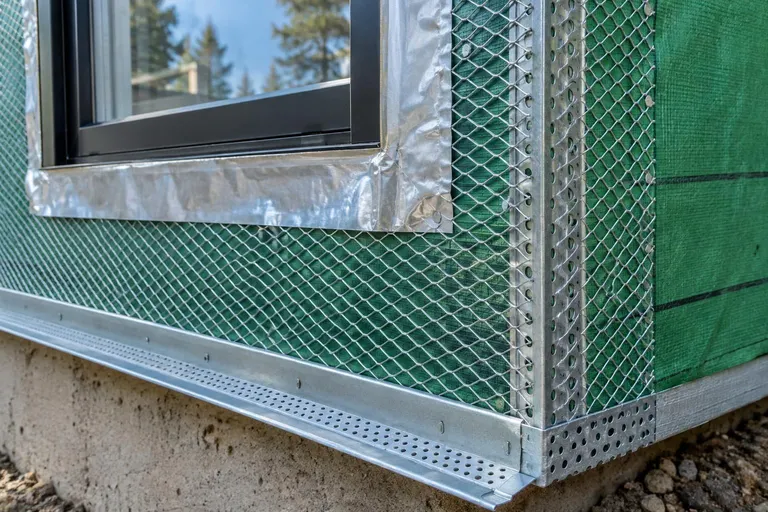
Barrier and flashing first
What you cannot see behind the finish decides how long it lasts.
Movement needs joints
Control joints give the wall a planned place to move.
Cure, do not rush
Each coat needs time and moisture to gain strength.
Maintenance is cheap
Sealants, gutters and a yearly look prevent most big repairs.
Get your number
A photo or a free visit turns all of this into one written price. Ask for my estimate
How it works: common questions
How long does stucco last?
Well-built stucco commonly lasts for decades. What decides it is water management, movement control and maintenance: flashing, weep screeds, sealants, gutters and a yearly look at the wall. The color coat may need refreshing every several years to a decade.
What is the difference between stucco and EIFS?
Traditional stucco is a cement wall built in coats over metal lath. EIFS is foam insulation board covered with a reinforced base coat and an acrylic finish. They can look alike, but they are built differently and need different water-management details. We install and repair both and explain which fits your building.
Do you work on new homes and additions?
Yes. We work with builders and owners on new homes, additions, garages and outbuildings, from plan review through barrier, lath, coats and finish. The earlier we see the details around windows, decks and rooflines, the better the wall performs.
See how it would work on your house.
A photo or a free visit includes checking the wall and the best system for it.