
Three coats. One wall that lasts.
The classic Portland cement system: a scratch coat, a brown coat and a finish coat over metal lath and a weather barrier, built layer by layer into a hard, breathable, long-lived wall.
- Typical thickness: About seven-eighths of an inch
- Coats: Scratch, brown and finish
- Cure time: Days between coats, weeks to full cure
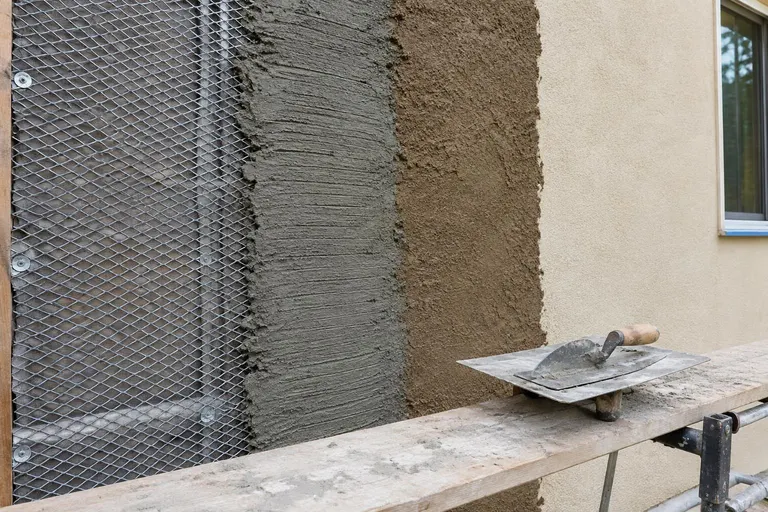
What it is, and why it matters.
Traditional stucco is not paint and it is not a thin skin. It is a reinforced cement wall that goes up in three separate coats over metal lath, each one cured before the next. The scratch coat keys into the lath, the brown coat levels and straightens the surface, and the finish coat carries the color and the texture you see from the street.
In Nashville, where humid summers, hard rain and winter freeze and thaw all test an exterior wall, the layers matter more than the look. We install a drainage-minded weather barrier, lath fastened into framing, a weep screed at the base and control joints where the wall needs to move, then cure each coat properly so the finished wall is dense and crack-resistant.
Four things done right.
Real thickness
Three cured coats build a dense, impact-resistant wall, not a skin.
Lath and barrier first
Metal lath and a weather barrier are fastened and lapped correctly before any mud goes on.
Movement planned
Weep screed and control joints are laid out before the first coat, not after the first crack.
Cured, not rushed
Each coat is damp-cured and given time so the wall reaches full strength.
From first call to traditional three-coat stucco.
- 01
Walk the wall
We measure, check framing and openings and agree on texture and color.
- 02
Barrier and lath
Weather barrier, flashing, lath and trims go up first.
- 03
Three coats
Scratch, brown and finish coats are applied and cured in order.
- 04
Final walk
We check lines, joints and finish with you and explain cure and care.
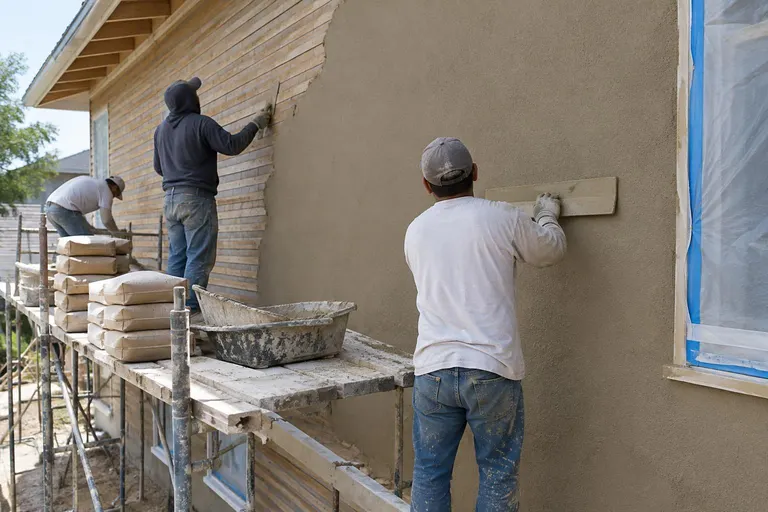
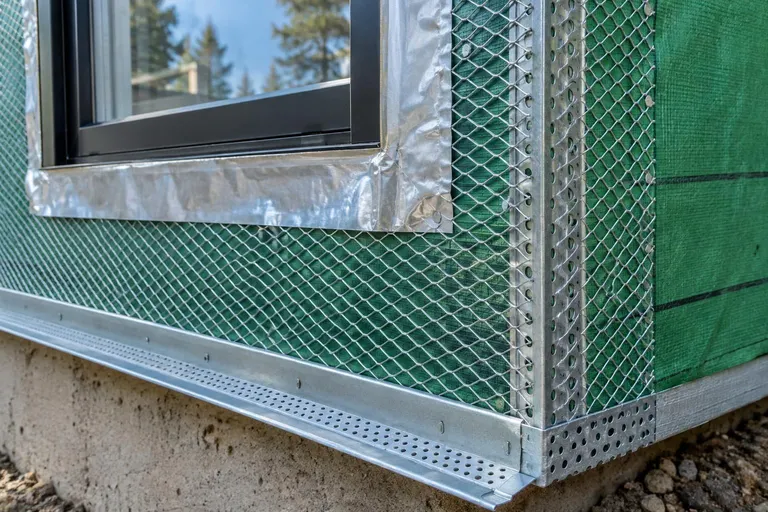
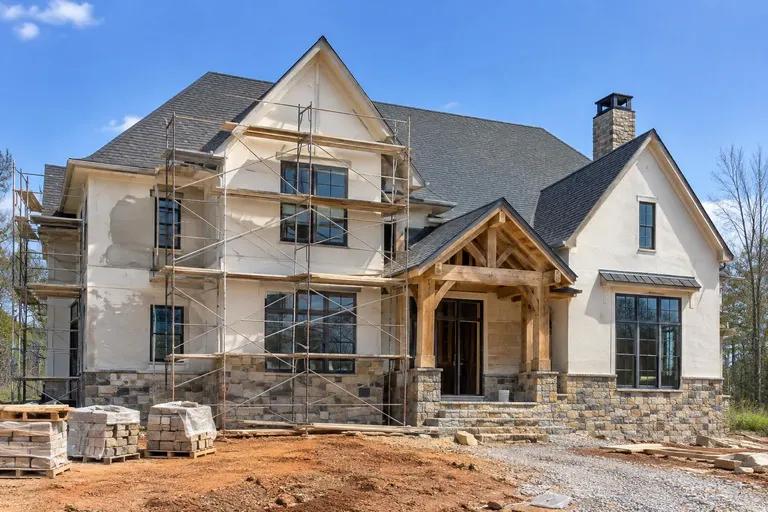
Traditional Three-Coat Stucco across Middle Tennessee.
We do this work in 28 cities, from downtown Nashville to Franklin, Murfreesboro, Hendersonville and Dickson.
Traditional Three-Coat Stucco: common questions
How long does three-coat stucco take?
Most houses take two to four weeks of working time, but the coats need curing time between them, so weather and cure schedules decide the calendar more than crew size.
Is three-coat better than one-coat?
Three-coat is the traditional, thicker system and is often preferred for hard wear and old-world looks. One-coat can perform well when installed correctly. We explain both and recommend by house and budget.
How do I get a price for traditional three-coat stucco?
Fill in the form or call or text 615-357-7797, ideally with a photo. We confirm what is involved and send a written price, and larger jobs get a free site visit.
Ready to talk about traditional three-coat stucco?
A photo or a free visit, and a written price. A real person calls back, usually the same day.